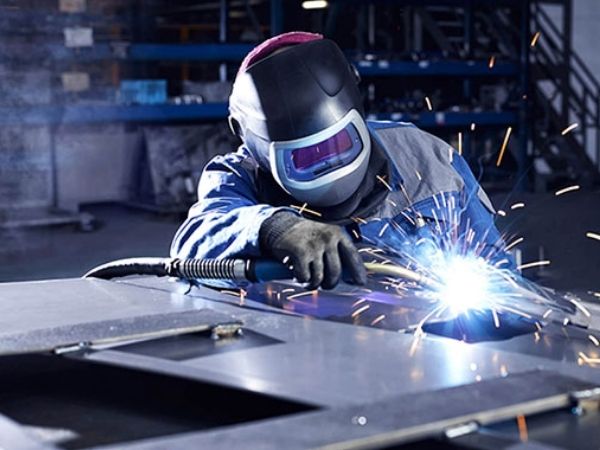
These cracks reduce the strength of the component and can seriously compromise system safety. For this reason, modern crack prevention techniques in welding have become a key factor in production quality.
One of the most important factors in preventing cracks is proper material selection. Low-carbon steels, suitable alloys, and metals with high weldability significantly reduce the risk of cracking. In addition, preheating the material before welding helps reduce internal stresses and prevents cracks caused by sudden cooling. This method is especially important for thick-section components, load-bearing structures, and industrial machine bodies.
Another crucial method is the correct adjustment of welding parameters. Improper settings of current, voltage, travel speed, and filler material can create weak zones in the weld area. Modern production uses MIG/MAG welding systems, TIG welding technology, and automated welding machines to ensure a more stable and controlled welding process, significantly minimizing welding cracks. Additionally, slow cooling techniques and stress-relief heat treatments help balance internal stresses in the material after welding.
With advancing technology, quality control in welded manufacturing has also become extremely important. Non-destructive testing methods such as ultrasonic testing, dye penetrant testing, and radiographic inspection allow even microscopic cracks to be detected. This ensures that every stage of production is monitored and defective parts are prevented from entering the system. These inspections have become standard in industrial manufacturing, heavy machinery production, and high-strength engineering projects.
Based in Arifiye, Sakarya, Kata Endüstri provides reliable solutions with its modern welded manufacturing techniques, experienced team, and quality-focused production approach. The company supports industrial sectors with crack-preventing welding methods, industrial metal fabrication solutions, and high-strength manufacturing processes, ensuring high-quality and durable production standards.